
Introduction: High-Density Polyethylene (HDPE) pipes have become a popular choice for various applications in modern infrastructure projects. With their exceptional durability, flexibility, and chemical resistance, HDPE pipes offer a reliable solution for a wide range of industries, including water supply, gas distribution, irrigation systems, and more. In this blog, we will explore the variations of HDPE pipes and how they are tailored to meet specific project requirements.
- HDPE Pipe Sizes: HDPE pipes are available in a range of sizes to accommodate different project needs. They come in diameters ranging from small 16mm pipes used for micro-irrigation systems to large 2000mm diameter pipes for major water supply projects. The availability of various sizes ensures that HDPE pipes can be utilized in projects of any scale.
- Pressure Ratings: HDPE pipes are designed to handle different pressure levels depending on the application. They are manufactured with different pressure ratings, commonly referred to as Pressure Classes (PC). These classes range from low-pressure pipes (PC2.5 and PC4) suitable for irrigation systems, to high-pressure pipes (PC16 and PC20) used for water supply networks and industrial applications. The pressure ratings allow engineers to select the appropriate HDPE pipes based on the project’s specific needs.
- Pipe Types: a. Solid-Wall HDPE Pipes: Solid-wall HDPE pipes are the most common type, known for their robust structure and high strength. These pipes are manufactured through a single extrusion process, resulting in a homogenous structure with a smooth inner and outer surface. Solid-wall HDPE pipes are widely used in water distribution systems, sewer networks, and industrial applications.
b. Structured-Wall HDPE Pipes: Structured-wall HDPE pipes, also known as profiled-wall pipes, have a unique design with internal or external ribs, providing additional strength and stiffness. These pipes are suitable for applications requiring higher load-bearing capacity, such as underground drainage systems, culverts, and stormwater management. The ribbed structure enhances the pipe’s resistance to external pressure and soil loads.
c. Corrugated HDPE Pipes: Corrugated HDPE pipes are characterized by their flexible, lightweight, and corrugated exterior. This type of pipe is commonly used for underground cable protection, subsoil drainage, and agricultural applications. The corrugated design provides flexibility, allowing for easy installation and accommodating slight ground movement.
- Jointing Methods: HDPE pipes offer various jointing methods to ensure secure connections: a. Butt Fusion: The ends of two HDPE pipes are heated and melted, and then joined together by applying pressure. Butt fusion creates a seamless, leak-proof joint, making it ideal for high-pressure applications.
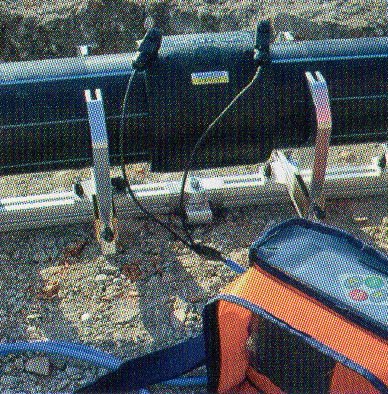
b. Electrofusion: This method utilizes specialized fittings with built-in electric heating elements. When connected to an electrofusion control unit, the fittings heat and fuse the HDPE pipes together. Electrofusion joints are reliable, efficient, and suitable for both high and low-pressure systems.
c. Mechanical Joints: Mechanical joints, such as flanges and compression fittings, are also used to connect HDPE pipes. These joints are easier to install and provide flexibility for disassembly or modifications.
Conclusion: HDPE pipes offer a wide range of variations to meet the diverse needs of modern infrastructure projects. From different sizes and pressure ratings to various pipe types and jointing methods, HDPE pipes provide a versatile and reliable solution for water supply, gas distribution, drainage systems, and more. The adaptability, durability, and chemical resistance of HDPE pipes make them an excellent choice for sustainable and long-lasting infrastructure development.