Introduction: HDPE (High-Density Polyethylene) is a versatile and durable material widely used in piping systems for its exceptional strength, chemical resistance, and flexibility. Electrofusion is an innovative fusion welding technique specifically designed for HDPE pipes and fittings. In this blog post, we will explore the process of HDPE electrofusion, its benefits, and important considerations to ensure successful and reliable connections.
- Understanding HDPE Electrofusion: HDPE electrofusion is a fusion welding technique that uses specialized fittings and equipment to create strong and leak-free connections between HDPE pipes. It involves the use of electrofusion fittings, which have built-in heating elements, to fuse the pipe ends together. The heating elements are powered by an electrofusion control unit, allowing precise control of the fusion process.
- Benefits of HDPE Electrofusion: HDPE electrofusion offers several advantages that make it a preferred method for joining HDPE pipes and fittings:
- Seamless Connections: Electrofusion creates a homogenous joint with the same material properties as the pipes themselves, resulting in a continuous and leak-free pipeline.
- Speed and Efficiency: Electrofusion provides rapid and efficient joining, minimizing installation time and labor costs.
- Versatility: Electrofusion fittings are available in a wide range of sizes and configurations, allowing flexibility in system design and accommodating various application requirements.
- Chemical Resistance: HDPE pipes and electrofusion fittings exhibit excellent chemical resistance, making them suitable for applications involving corrosive or aggressive fluids.
- Long-Term Durability: Electrofusion joints have high resistance to pressure, impact, and environmental stresses, ensuring long-term performance and minimizing maintenance needs.
- The HDPE Electrofusion Process: The process of HDPE electrofusion involves the following steps:
- Preparation: Ensure that the pipe ends and electrofusion fittings are clean and free from dirt, moisture, and contaminants. Use appropriate cleaning tools and materials for surface preparation.
- Marking and Insertion: Mark the insertion depth on the pipe ends to ensure proper alignment and fusion. Insert the electrofusion fitting into the pipe end until it reaches the marked depth.
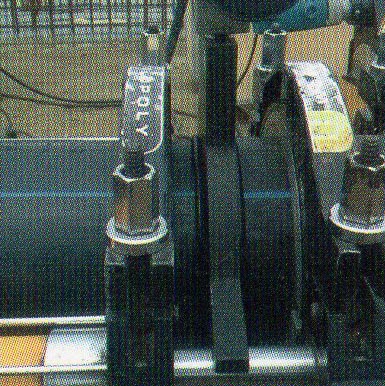
- Clamping: Securely clamp the electrofusion fitting to the pipe using specialized clamps or fixtures designed for electrofusion welding. This ensures that the fitting remains in position during the fusion process.
- Fusion and Cooling: Connect the electrofusion fitting to the electrofusion control unit. The control unit applies a specific voltage and current to the heating element, generating heat to melt the fitting and pipe surfaces. The fusion process occurs, creating a strong and permanent bond. After the fusion is complete, allow the joint to cool, ensuring proper solidification and joint integrity.
- Inspection: Once the joint has cooled, visually inspect it for uniformity and proper fusion. Check for any signs of incomplete fusion, voids, or irregularities that may affect the joint’s strength and integrity.
- Considerations for Successful Electrofusion Welding: To achieve successful HDPE electrofusion welding, consider the following key factors:
- Quality Equipment: Use high-quality electrofusion control units, fittings, and associated tools that are specifically designed for HDPE electrofusion welding. Ensure they meet industry standards and regulations.
- Proper Training and Certification: Electrofusion welding requires specialized knowledge and skills. It is essential to receive proper training and certification to ensure correct execution of the welding process.
- Surface Preparation: Thoroughly clean and prepare the pipe ends and electrofusion fittings to ensure optimal fusion and avoid contamination.
- Alignment and Clamping: Accurate alignment and secure clamping of the electrofusion fitting to the pipe are crucial for achieving a strong and uniform joint.
- Temperature and Time Control: Follow the manufacturer’s guidelines for temperature, voltage, and fusion time to ensure proper fusion and avoid overheating or