
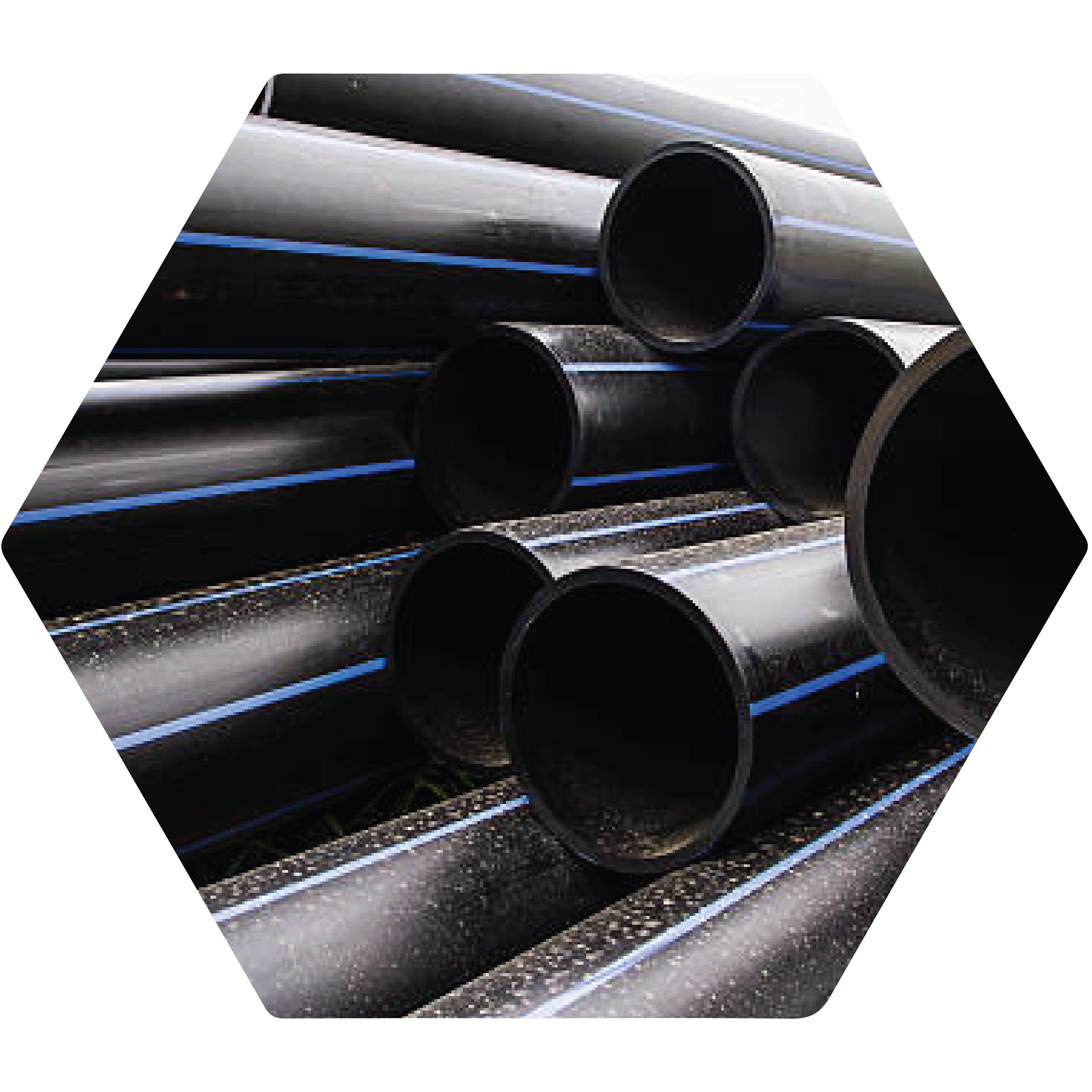
Introduction: HDPE (High-Density Polyethylene) pipes have gained immense popularity in various industries and applications due to their exceptional durability, versatility, and numerous advantages. As a reliable choice for fluid transportation, HDPE pipes have revolutionized the piping industry with their superior performance and wide range of applications. In this blog post, we will delve into the world of HDPE pipes, exploring their characteristics, benefits, and the diverse sectors where they play a crucial role.
- Understanding HDPE Pipes: HDPE pipes are made from high-density polyethylene, a thermoplastic material known for its strength and flexibility. The manufacturing process involves melting the HDPE resin and extruding it into pipe form. The result is a strong, lightweight, and corrosion-resistant pipe that can withstand high-pressure applications.
- Advantages of HDPE Pipes: HDPE pipes offer a myriad of advantages, making them a preferred choice for various industries:a. Durability: HDPE pipes have excellent resistance to abrasion, corrosion, and chemical substances, ensuring long-term performance even in harsh environments.b. Flexibility: The flexibility of HDPE pipes allows for easy installation, especially in areas with challenging terrain or complex layouts. They can be bent and curved without the need for additional fittings or joints, reducing the risk of leaks and improving efficiency.c. Lightweight: HDPE pipes are significantly lighter than traditional pipes, making handling and transportation easier and more cost-effective.d. High Flow Capacity: HDPE pipes have smooth inner surfaces that minimize friction, enabling efficient fluid flow and reducing energy consumption.e. Leak Resistance: HDPE pipes are joined using heat fusion techniques, creating seamless, leak-free connections. This eliminates the risk of leakage and ensures a reliable and secure piping system.f. Long Lifespan: HDPE pipes have a long service life, with an expected lifespan of over 50 years. This durability reduces maintenance and replacement costs, making them a cost-effective choice in the long run.
- Applications of HDPE Pipes: HDPE pipes find applications in various sectors, including:a. Water Supply and Distribution: HDPE pipes are widely used for potable water supply systems, irrigation networks, and municipal water distribution networks due to their resistance to chemicals and bacterial growth.b. Gas Distribution: HDPE pipes provide a safe and reliable option for gas distribution systems, thanks to their ability to withstand high-pressure conditions and resistance to corrosion and leaks.c. Mining and Industrial Applications: HDPE pipes are used in mining operations for slurry and tailings transportation, as well as in industrial processes such as chemical transportation and wastewater management.d. Infrastructure Projects: HDPE pipes are used in infrastructure projects such as sewerage systems, stormwater drainage, culverts, and road crossings, providing long-lasting and efficient solutions.e. Environmental Applications: HDPE pipes are employed in environmental projects, including landfill leachate collection systems, geothermal heat exchange systems, and agricultural drainage.
Conclusion: HDPE pipes have transformed the piping industry with their exceptional durability, flexibility, and numerous advantages. From water supply and gas distribution to industrial applications and infrastructure projects, HDPE pipes offer a reliable and cost-effective solution. Their resistance to corrosion, flexibility, and long service life make them a sustainable choice for a wide range of sectors. As technology continues to advance, HDPE pipes will likely remain at the forefront of the industry, providing efficient fluid transportation solutions for the present and future.