
Introduction: In the world of plastic pipe systems, HDPE (High-Density Polyethylene) electrofusion technology has revolutionized the way pipeline connections are made. Electrofusion offers a seamless and efficient method for joining HDPE pipes, ensuring reliable and durable connections. In this blog post, we will explore the process of HDPE electrofusion, its benefits, and its applications across various industries.
- Understanding HDPE Electrofusion: HDPE electrofusion is a fusion welding process that involves the use of specialized electrofusion fittings to connect HDPE pipes. The process utilizes the heat generated by an electric current to melt the interior surface of the fitting and the outer surface of the pipe simultaneously. As the surfaces melt, they fuse together, creating a strong, homogeneous joint that is as robust as the pipe itself.
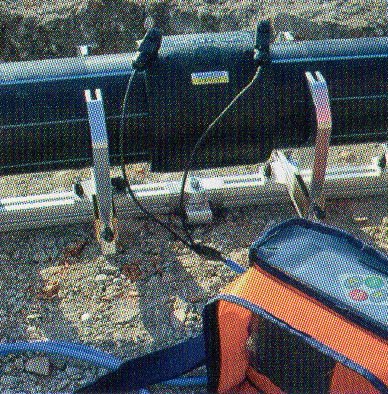
- The Electrofusion Process: The electrofusion process begins with preparing the pipe ends and the electrofusion fitting. The pipe ends are cut cleanly and square, while the fitting is equipped with embedded heating coils and an electrical connector. After ensuring the surfaces are clean and dry, the fitting and pipe are brought together, and an electrofusion control unit is connected to the fitting’s electrical connector.
Once the control unit is activated, it passes a precisely controlled electric current through the heating coils. This current generates heat, causing the material to melt and fuse together. The control unit maintains the temperature and fusion pressure for the required time, allowing the melted material to solidify and form a strong, leak-proof joint.
- Benefits of HDPE Electrofusion:
- Strong and Durable Joints: HDPE electrofusion creates robust joints that have high tensile strength and excellent resistance to stress, impact, and environmental factors. The fusion process ensures a homogenous bond, eliminating the need for additional sealing materials or mechanical connections.
- Efficiency and Speed: Electrofusion connections can be made quickly and efficiently, reducing installation time and labor costs. The process eliminates the need for complex and time-consuming solvent cementing or mechanical joining techniques.
- Leak-Free and Reliable: HDPE electrofusion joints are inherently leak-free, providing a secure and reliable connection. The fusion process creates a continuous, monolithic joint that is resistant to pressure, ground movement, and temperature fluctuations.
- Versatile Applications: HDPE electrofusion is suitable for a wide range of applications, including water supply systems, gas distribution networks, industrial piping, irrigation systems, and wastewater management. It offers versatility and adaptability to meet the specific requirements of different industries.
- Quality Assurance and Standards: HDPE electrofusion fittings are manufactured according to rigorous quality standards and comply with industry regulations. These fittings undergo stringent testing to ensure they meet the necessary performance criteria and can withstand the demands of various applications. Choosing electrofusion fittings from reputable manufacturers ensures the highest level of quality and reliability.
Conclusion: HDPE electrofusion technology has revolutionized pipeline connections, offering a reliable, efficient, and cost-effective joining method. The process provides strong, leak-free connections that withstand the test of time and environmental challenges. With its numerous benefits, HDPE electrofusion has become the preferred choice for a wide range of industries that require durable and secure pipe connections. Whether it’s for water supply, gas distribution, or industrial applications, HDPE electrofusion ensures the integrity and longevity of pipeline systems, contributing to efficient and sustainable infrastructure development.